

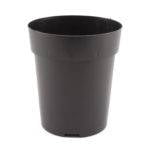

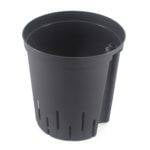
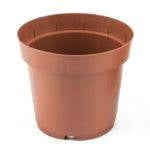
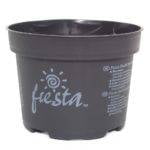
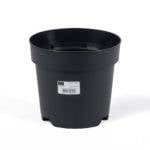





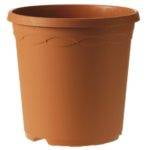










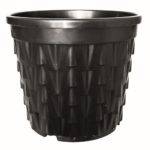
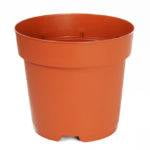

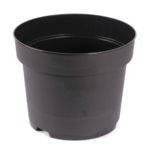
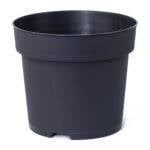
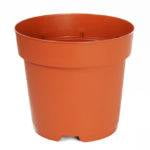

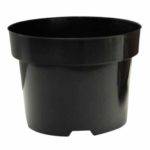
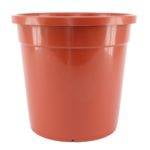

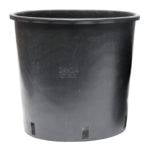


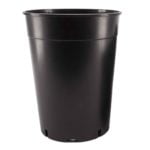
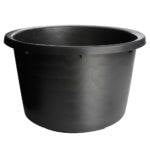
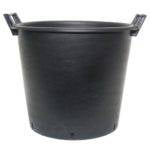



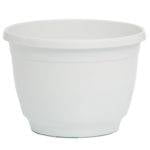
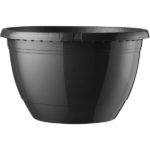

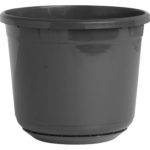
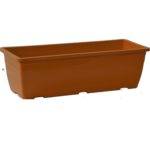
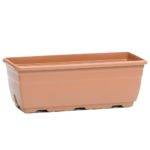
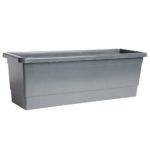
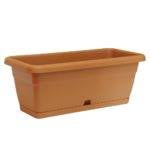
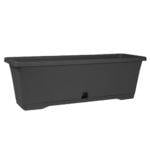



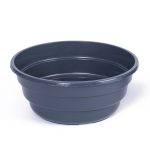




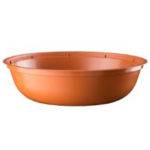
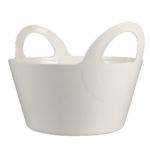


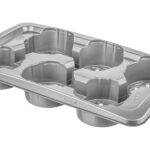
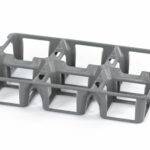

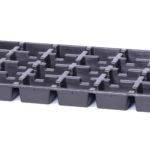
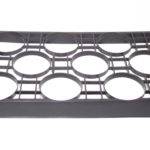
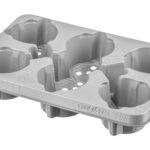
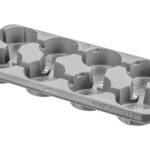
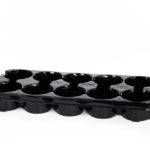
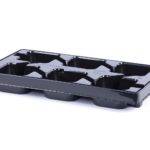

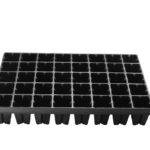
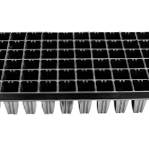
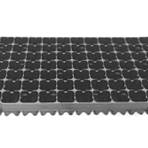
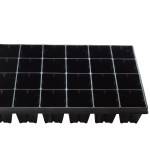
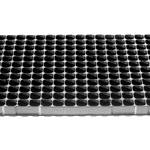

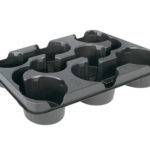
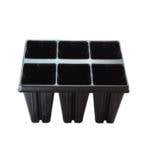
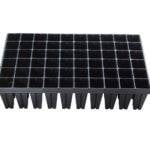
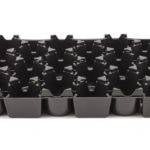

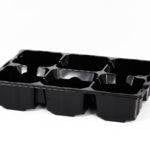


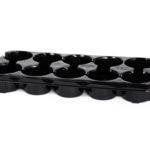

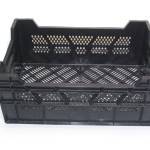

The waste stream for the reuse of plastic.
Van Krimpen Trading Company places great value on people, animals, and the environment. We realized years ago that the single use of plastics does not contribute to this. Since then, we have been actively doing something about it: collecting plastic for our own recycling.
Van Krimpen is a supplier of plastic accessories for professional horticulture. Our customers expect our products to be of high quality. However, these products do not necessarily have to be produced from new material.
Plastic recycling.
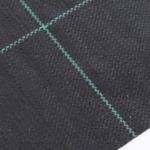
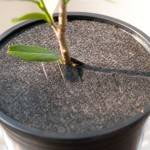
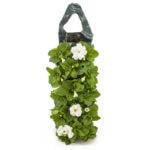
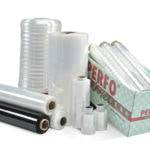
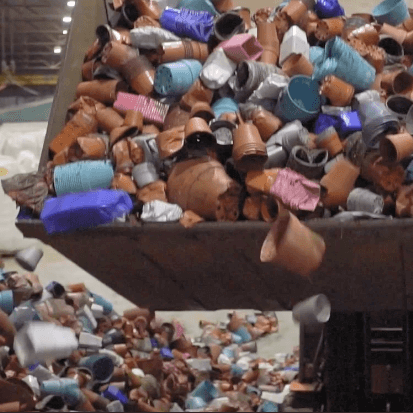
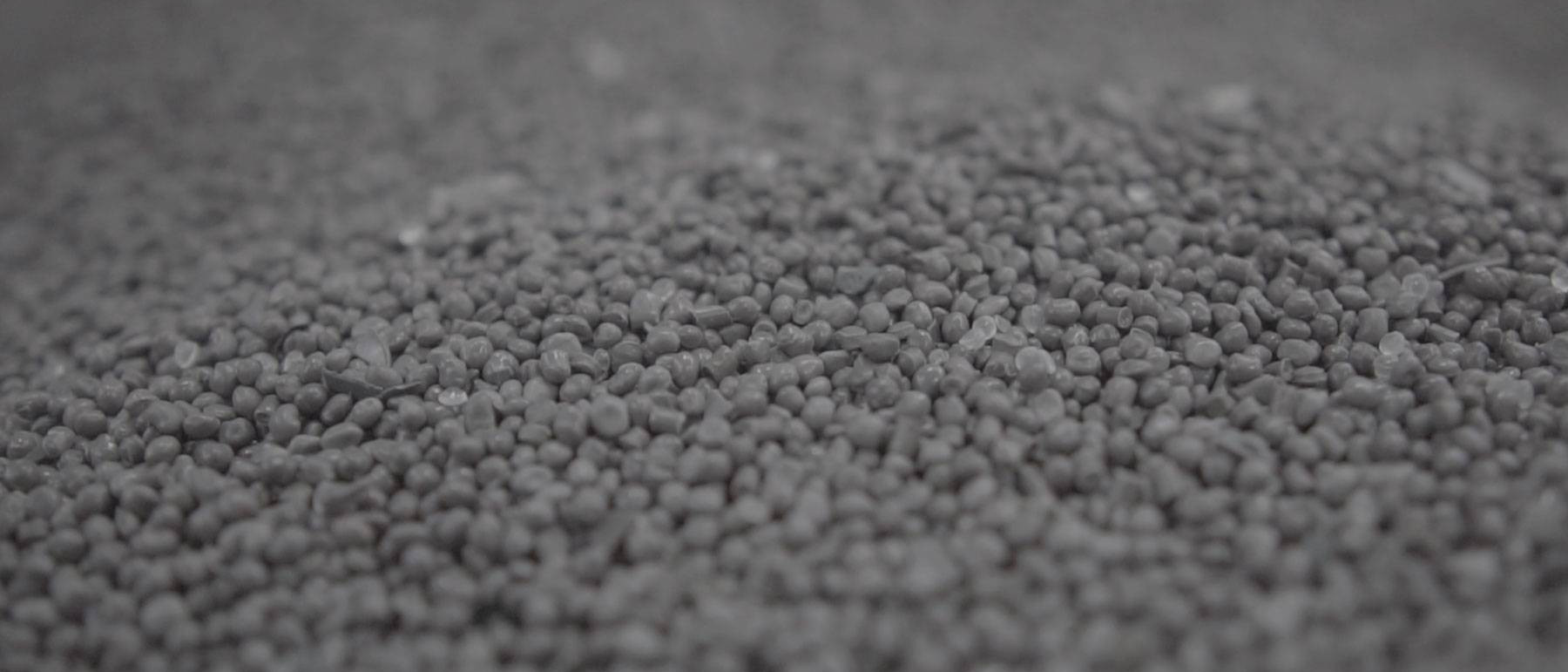
By collecting plastic directly from our customers and other partners and delivering it to our suppliers, we keep this valuable raw material within our own production cycle. Surplus, used, or other industrially rejected plastic products are collected by us and processed into shreds. These include, for example, used pots, trays, orchid collars, plastic sticks and clips, as well as remnants of pot liners. We know what these products are made of, which is why this collection is an efficient start to plastic recycling.
Household plastic waste (PCR).
We primarily use post-consumer recycled (PCR) plastic for our production. This plastic collected from households is of high quality and is processed by us and used as a raw material for a product line of pots and trays. Watch the video to see how we complete the plastic circle in this way.
New life.
Products used in the food industry, toys, or the medical field are usually subject to such high standards that much recyclable material does not qualify. Fortunately, this is different when it comes to raw materials for pots and trays. This waste stream is given a new life with our products. This can even be done multiple times in a row. It is important, however, that different types of plastic are collected separately. After all, not everything can be used interchangeably.
Local raw materials.
The collection and processing of the plastics takes place locally. We therefore need to source far fewer raw materials from distant countries. The transport of our raw materials remains limited, which also contributes effectively to limiting CO2 emissions. By using and continuing to (re)use recycled material, the cost price also remains limited, which is an important factor for our customers.
Do you have (large) quantities of plastic remnants and would you like to make a positive contribution to reducing the waste stream? Contact us or download our recycling regulations.
